
Foods for Better Eyesight and Focus
Discover the most effective natural foods that support visual clarity, eye health, and sustained mental focus. Learn how nutrition plays a crucial role in protecting your vision and enhancing cognitive performance.
The information on this site is for educational purposes only and does not constitute medical advice. Always consult a qualified healthcare professional before making health decisions.
Browse by Category
Featured Vision-Supporting Foods
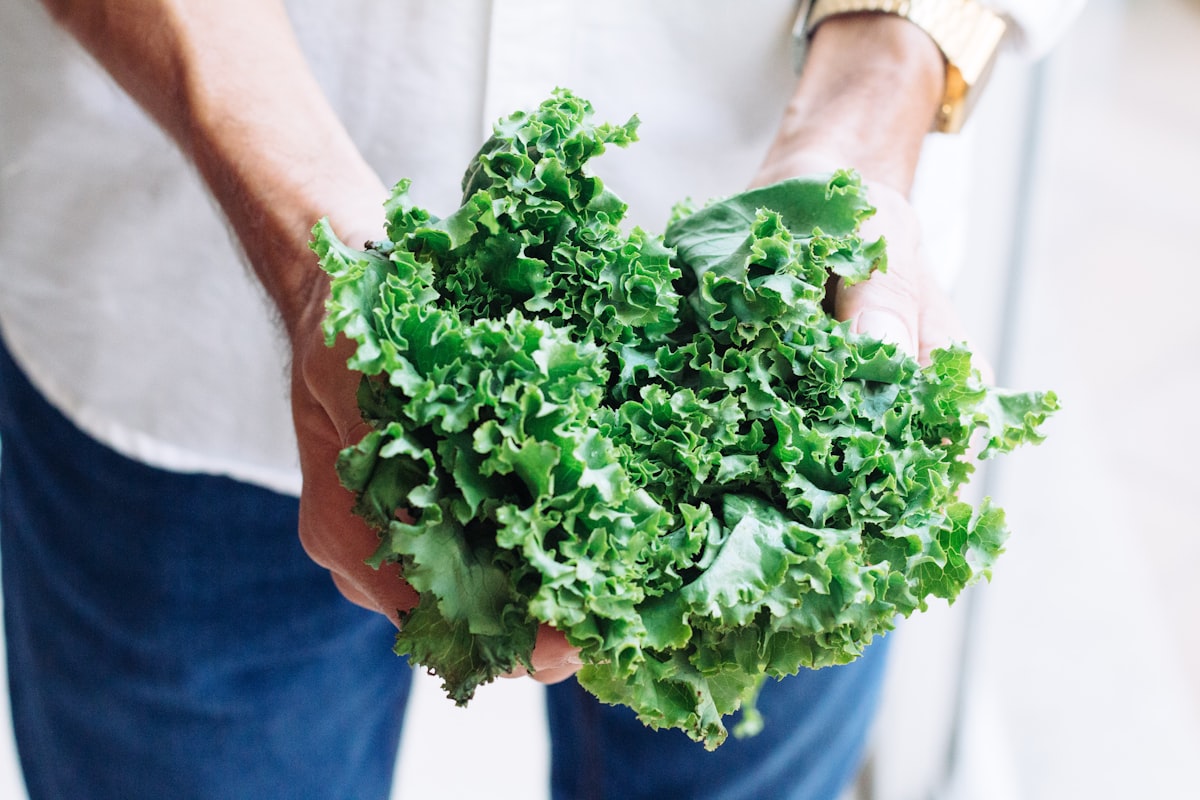
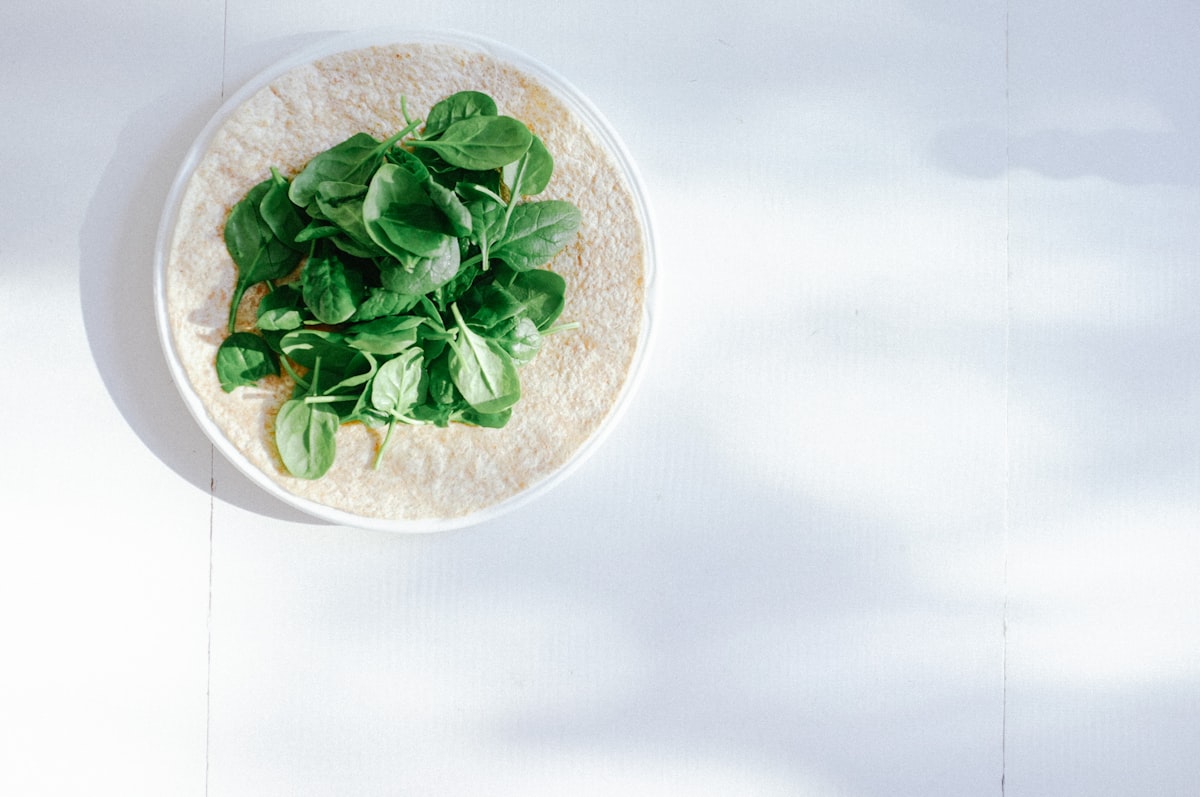
Spinach & Dark Leafy Greens
Rich in lutein and zeaxanthin, spinach is one of the most powerful foods for protecting your macula—the part of your eye responsible for central vision. These antioxidants filter harmful blue light and reduce age-related macular degeneration risk. Dark leafy greens like kale and collard greens offer similar protective benefits.
Fatty Fish & Salmon
Salmon, mackerel, and other fatty fish are loaded with omega-3 fatty acids that support retinal health and improve focus. These essential fats help maintain the structural integrity of eye cell membranes and reduce inflammation in the brain, enhancing cognitive function and sustained attention throughout the day.
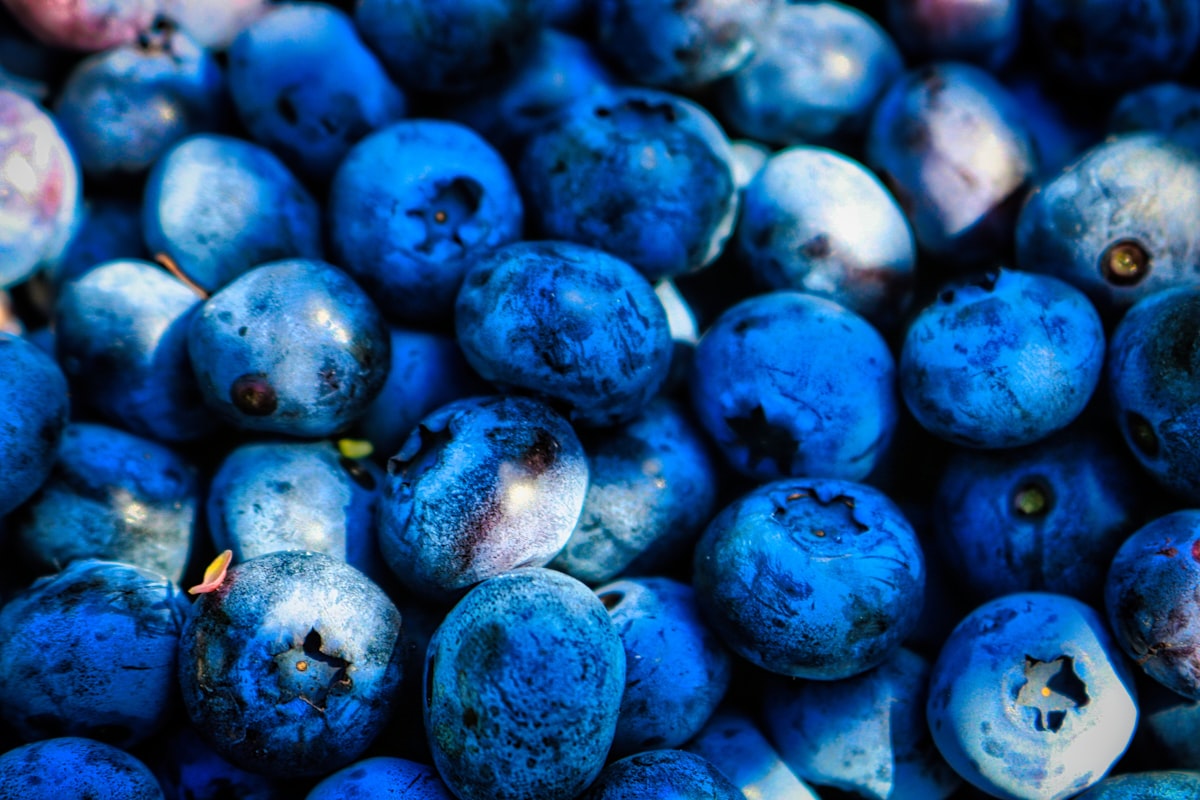
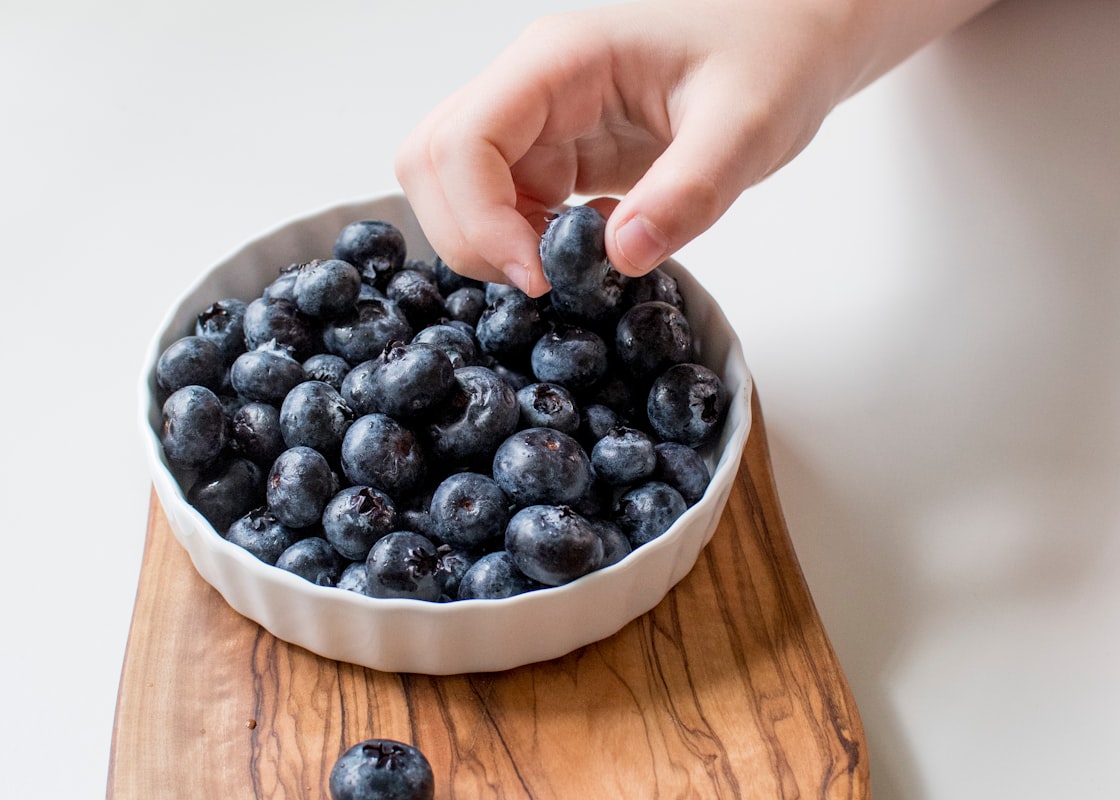
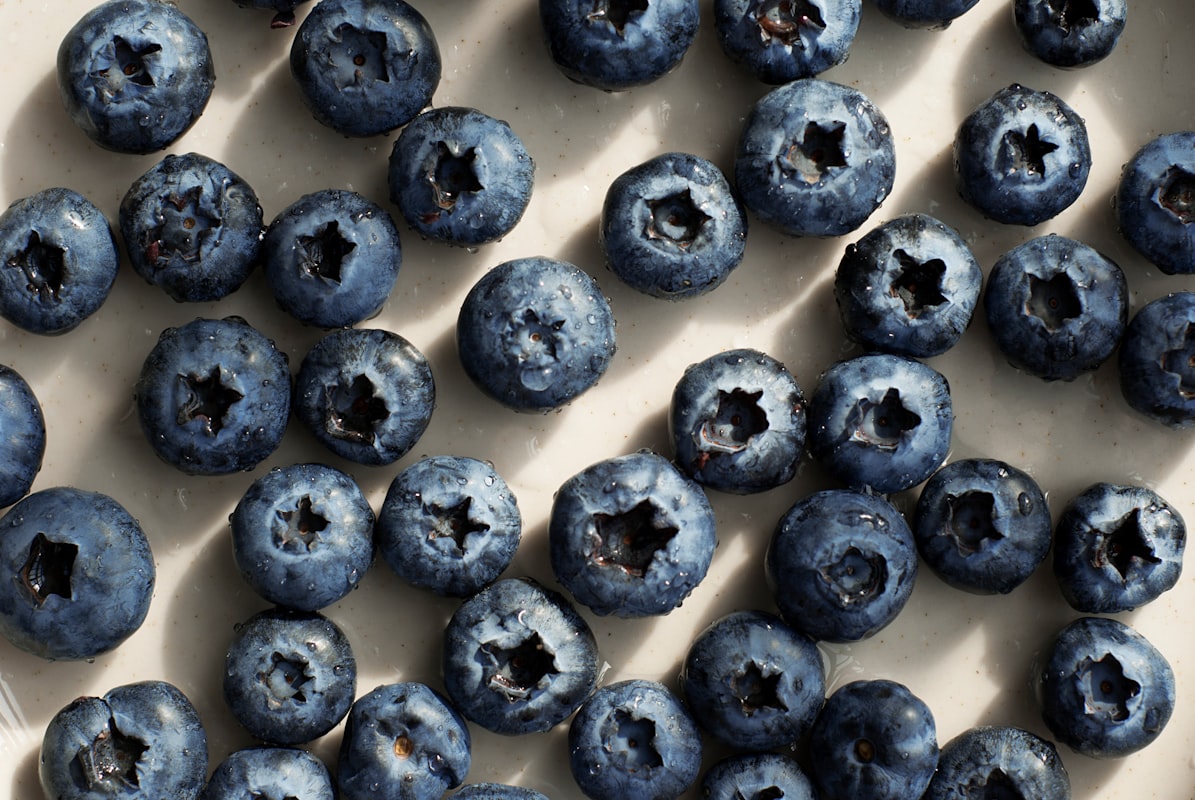
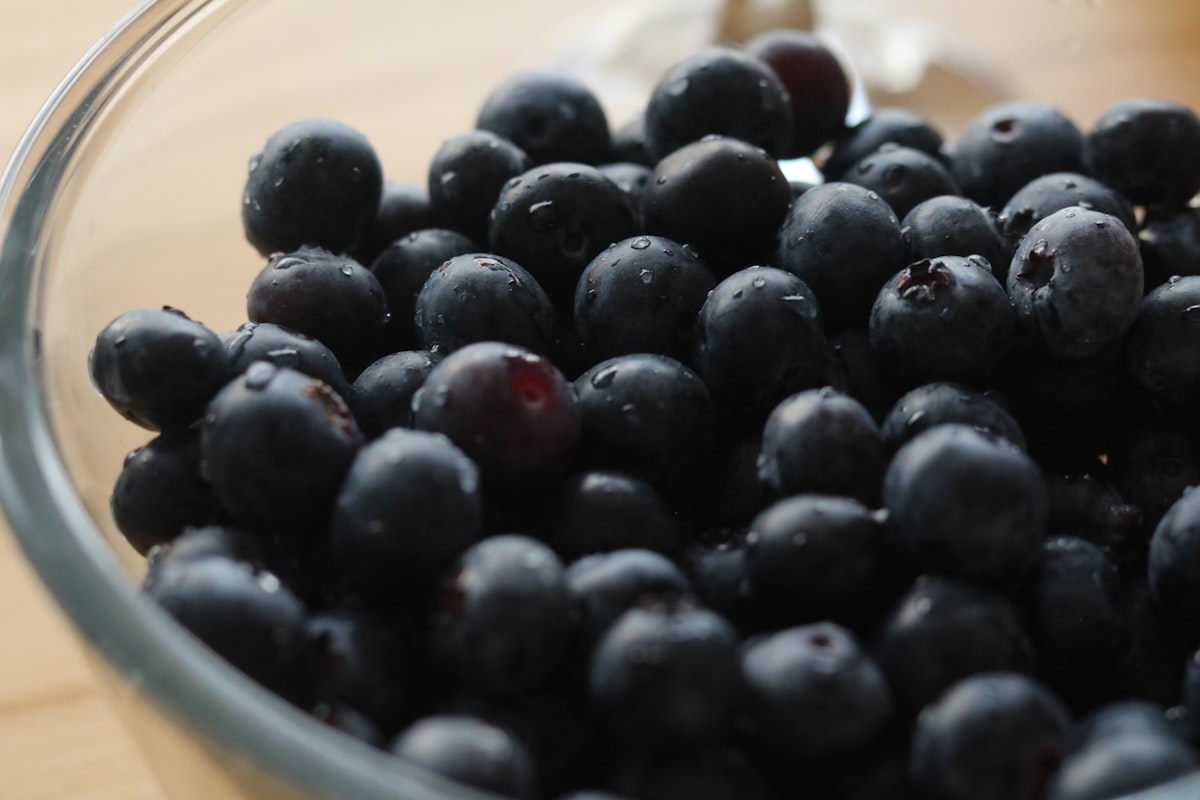
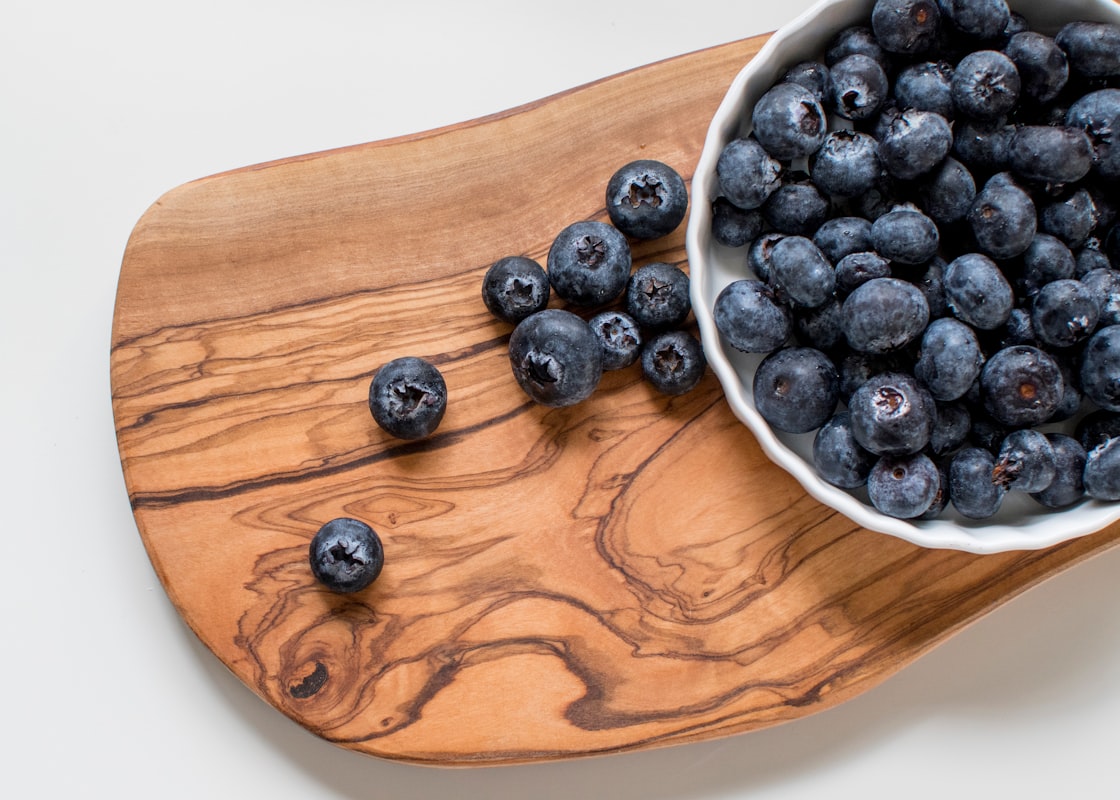
Blueberries & Dark Berries
Blueberries are packed with anthocyanins, powerful antioxidants that protect eye cells from oxidative stress and age-related decline. They improve blood circulation to the eyes and enhance night vision sensitivity. Combined with their ability to sharpen mental clarity, berries are a nutritional powerhouse for both vision and focus.
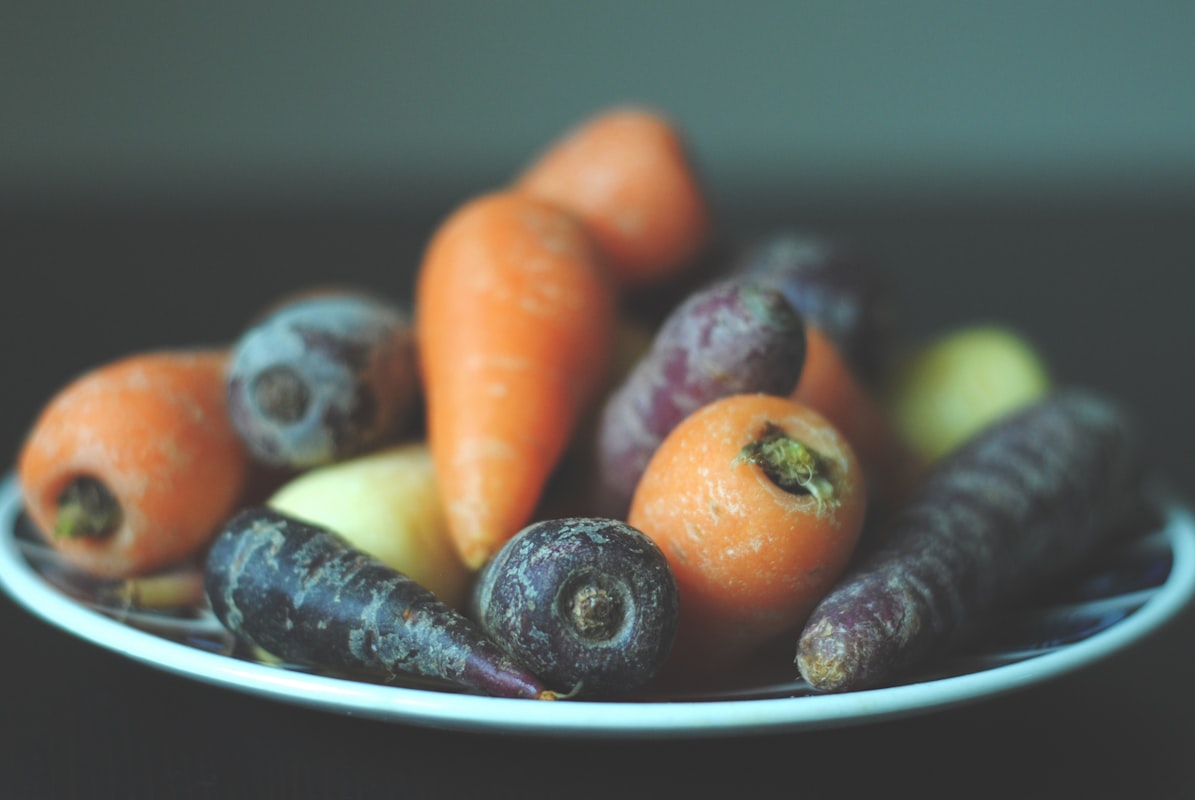
Carrots & Orange Vegetables
Famous for their vision-supporting reputation, carrots are rich in beta-carotene, which your body converts to vitamin A—essential for the production of rhodopsin, a protein needed for night vision. Sweet potatoes and pumpkin offer the same benefits with added fiber and minerals that support sustained energy and mental performance.
Almonds & Tree Nuts
Almonds, walnuts, and hazelnuts are rich in vitamin E, a powerful antioxidant that protects eye cells from damage caused by free radicals. They also contain magnesium and polyphenols that support blood flow to the eyes and brain. Regular consumption of nuts has been linked to improved focus and reduced cognitive fatigue in adults.
Eggs & Egg Yolks
Egg yolks contain lutein, zeaxanthin, and choline—three nutrients directly linked to eye health and brain development. Choline is particularly important for acetylcholine production, a neurotransmitter essential for attention, memory, and learning. Eggs provide a complete protein that stabilizes blood sugar and prevents energy crashes during work or study.
Broccoli & Cruciferous Vegetables
Broccoli, Brussels sprouts, and cauliflower contain sulforaphane and indole-3-carbinol, compounds that activate your body's natural antioxidant defense systems. These vegetables support detoxification pathways that protect eye and brain tissue from oxidative damage. Their high vitamin C content also strengthens the immune system and collagen production in the eye.
Dark Chocolate & Cocoa
High-cocoa dark chocolate contains flavonoids that improve blood flow to the eyes and brain, enhancing oxygen delivery and cognitive performance. Studies show that dark chocolate consumption is associated with improved visual contrast sensitivity and faster mental processing. The phenylethylamine in cocoa also promotes alertness and sustained attention.
Key Nutrients That Support Vision and Focus
Understanding the specific nutrients your eyes and brain need is the foundation of a vision-supporting diet. These compounds work synergistically to protect against age-related decline, improve visual processing speed, and sustain mental clarity throughout the day.
Lutein & Zeaxanthin
Macular pigments that filter blue light and protect central vision. Concentrated in leafy greens, eggs, and citrus fruits. Build up over time with consistent intake.
Omega-3 Fatty Acids (EPA & DHA)
Essential for retinal structure and neural communication. Found in fatty fish, walnuts, and flax seeds. Critical for sustained attention and working memory.
Anthocyanins
Powerful antioxidants in berries that improve blood circulation and night vision. Reduce eye strain and cognitive fatigue during prolonged focus activities.
Vitamin A & Beta-Carotene
Required for rhodopsin synthesis, enabling night vision. Supports healthy cornea and reduces dry eye symptoms common in digital workers.
Vitamin E & Polyphenols
Antioxidants that protect cells from free radical damage. Support cognitive resilience and reduce inflammation in the nervous system.
Choline
Precursor to acetylcholine, a neurotransmitter essential for attention and memory formation. Found abundantly in eggs and leafy greens.

A balanced diet rich in these nutrients supports both sharp vision and sustained mental performance
How to Incorporate Vision Foods Into Your Daily Routine
Breakfast Foundations
Start your day with eggs, blueberries, and nuts. This combination provides choline, anthocyanins, and vitamin E to set your cognitive baseline for the day. A simple scrambled egg with berries or an omelet with spinach takes five minutes.
Midday Salad Strategy
Build a lunch salad with mixed leafy greens, orange vegetables, nuts, and a fish-based protein or tofu. Add olive oil dressing to support nutrient absorption. This provides lutein, zeaxanthin, beta-carotene, and healthy fats.
Snack Smart
Replace processed snacks with almonds, walnuts, dark chocolate, or fresh berries. These support sustained energy, prevent blood sugar crashes, and deliver concentrated nutrients that protect against afternoon focus decline.
Dinner with Fish
Aim for fatty fish like salmon 2-3 times weekly, paired with steamed broccoli and roasted carrots. The omega-3 and vitamin E combination enhances overnight eye and brain repair during sleep.
Frequently Asked Questions About Vision-Supporting Foods
How quickly will I notice improvements in my vision and focus?
Most people report improved focus within 2-4 weeks of consistent nutrition changes, as these support immediate neurotransmitter production and blood flow. However, structural eye protection (like macular pigment buildup from lutein and zeaxanthin) develops over 6-12 weeks of regular intake. Vision clarity improvements may take 3-6 months as cumulative eye health improves.
Can these foods replace eyeglasses or contacts?
No. Vision-supporting foods optimize eye function and protect against age-related decline, but they cannot reverse refractive errors like myopia or hyperopia. However, they can slow age-related vision loss and improve contrast sensitivity and focus speed even while wearing corrective lenses. Always maintain regular eye exams.
What if I'm vegetarian or vegan? Which foods should I prioritize?
Prioritize leafy greens, berries, nuts, seeds (especially ground flaxseed and hemp), orange vegetables, and broccoli. For omega-3 equivalents, use algae-based supplements or consume walnuts, chia seeds, and ground flaxseed daily. Eggs (if lacto-ovo vegetarian) are the best choline source, but mushrooms and nutritional yeast provide alternatives.
Are supplements necessary, or is food enough?
A well-planned diet covering all vision-supporting food categories typically provides sufficient nutrients. However, if you have limited access to fresh produce or diagnosed deficiencies, targeted supplements (like lutein or omega-3) can fill gaps. Consult with a healthcare provider to personalize your approach based on your individual dietary habits and health status.
Can I eat too much of these foods?
Most vision-supporting foods are nutrient-dense and safe in large quantities—especially vegetables, fruits, and fish (2-3 servings weekly is ideal). However, nuts are calorie-dense, so portion them to a small handful daily. Dark chocolate is best limited to 1-2 ounces per day due to sugar and calories. Balance is key for sustained results.
Does cooking reduce the nutrients in these foods?
Some nutrients like vitamin C are heat-sensitive, but others like lycopene (in tomatoes) and beta-carotene actually increase with light cooking. Steaming broccoli for 2-3 minutes preserves most sulforaphane. Eating a mix of raw (salads, berries) and lightly cooked (steamed greens, roasted vegetables) foods maximizes nutrient retention while ensuring food safety and digestibility.
What Readers Are Discovering
"I started following the leafy greens and fish recommendations consistently, and within six weeks, I noticed my computer eye strain had decreased significantly. My afternoon focus sessions are sharper now, and I'm not reaching for sunglasses as much in bright light. The simple meal ideas made it easy to stick with—no complicated recipes required.
— Eka Wijaya, Jakarta
"As someone who spends 10+ hours daily on screens for work, I was skeptical that food changes could help. But after three months of eating more berries, nuts, and salmon, my vision clarity improved and my ability to focus for long stretches without fatigue got noticeably better. The research provided context that made me believe in the changes I was making.
— Budi Santoso, Surabaya
"I shared these food recommendations with my whole family. My children's teachers noticed they were more attentive in class, and my parents noticed their night vision improved when driving. It's incredible that something as simple as including more specific foods could benefit everyone's vision and mental performance. This is the practical, evidence-based information I've been looking for.
— Siti Nurhaliza, Bandung
Discover More Vision and Focus Research
Our editorial team continuously researches the latest nutritional science to bring you evidence-based guidance on foods that support eye health, mental clarity, and sustained cognitive performance. Explore our full content library for recipes, meal plans, and deeper dives into specific nutrients and foods.