
Nourish Your Eyes, Sharpen Your Mind
Discover the science-backed foods that enhance your vision and mental clarity. Learn how proper nutrition can transform your ability to focus and see the world more vividly.
The information on this site is for educational purposes only and does not constitute medical advice. Always consult a qualified healthcare professional before making health decisions.
Visual Guide to Eye-Healthy Foods
Explore the most nutrient-dense foods proven to support optimal vision and cognitive function.
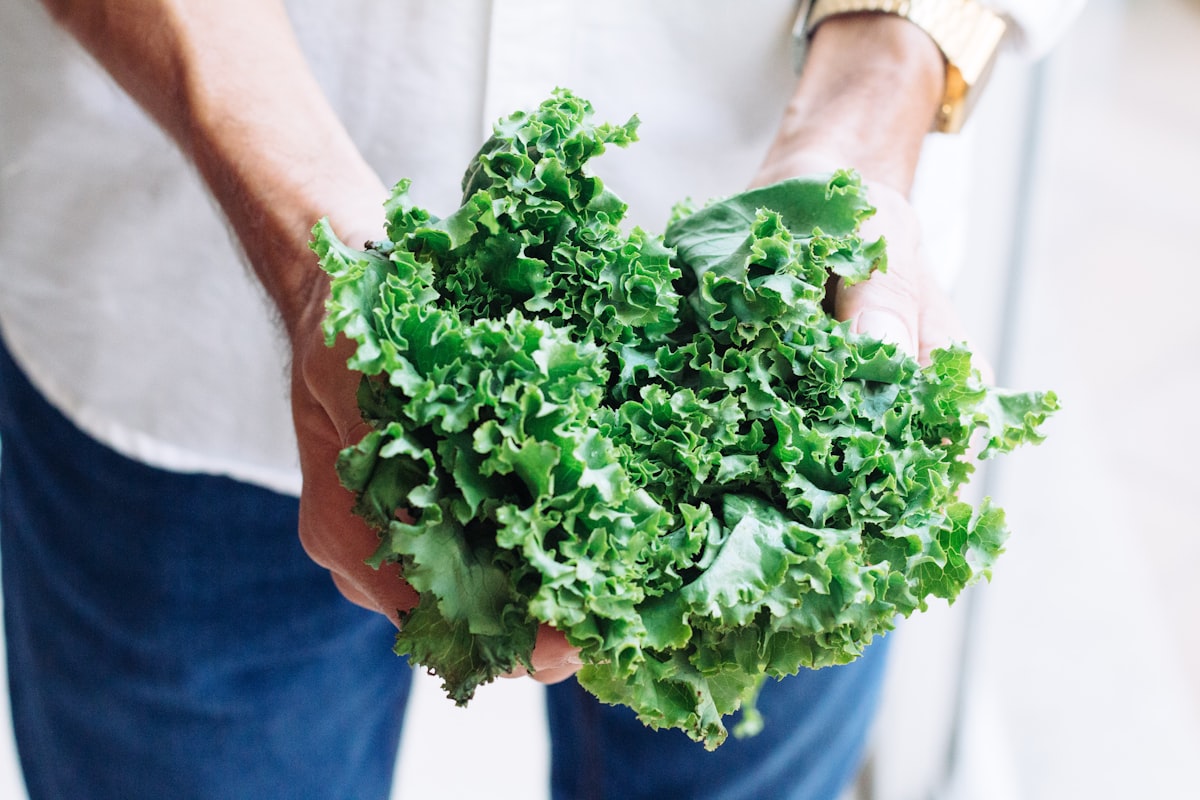
Leafy Greens
Spinach, kale, and collard greens are packed with lutein and zeaxanthin—carotenoids that filter harmful blue light and protect your macula from degeneration.
Fatty Fish
Salmon, mackerel, and sardines are rich in omega-3 fatty acids that support retinal health and reduce the risk of age-related macular degeneration.
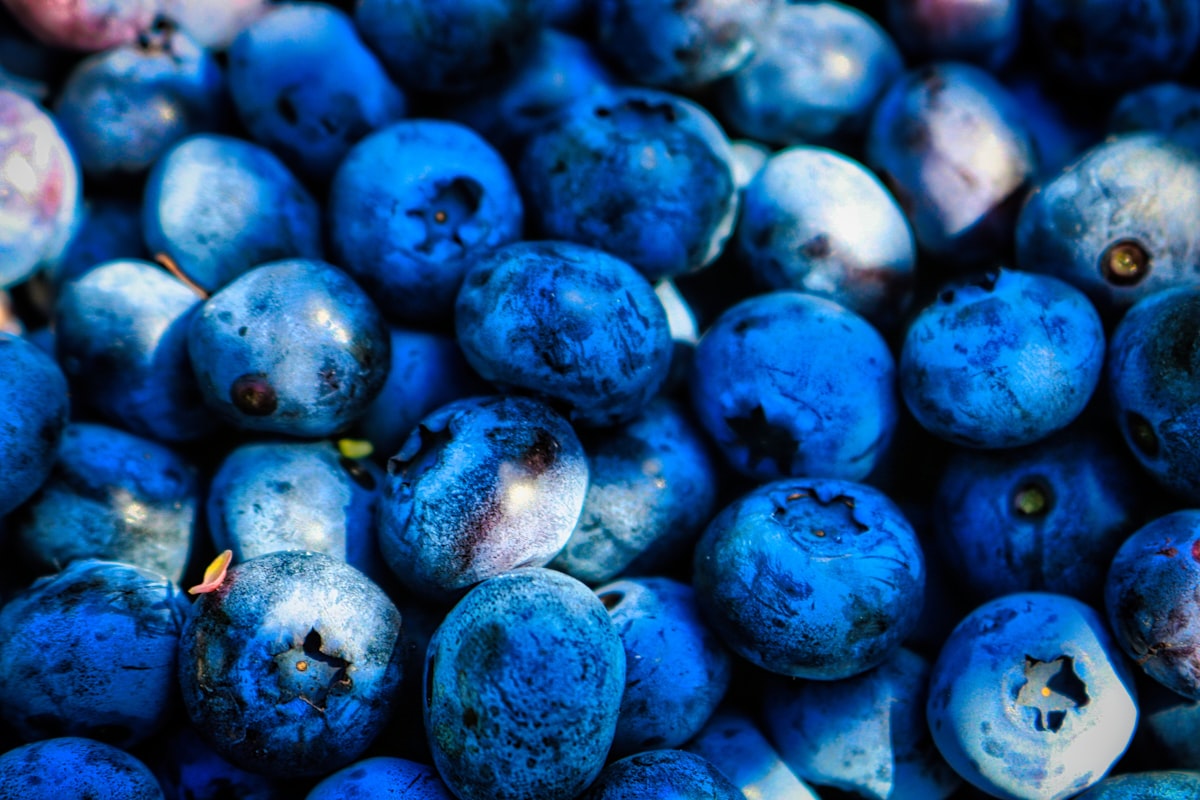
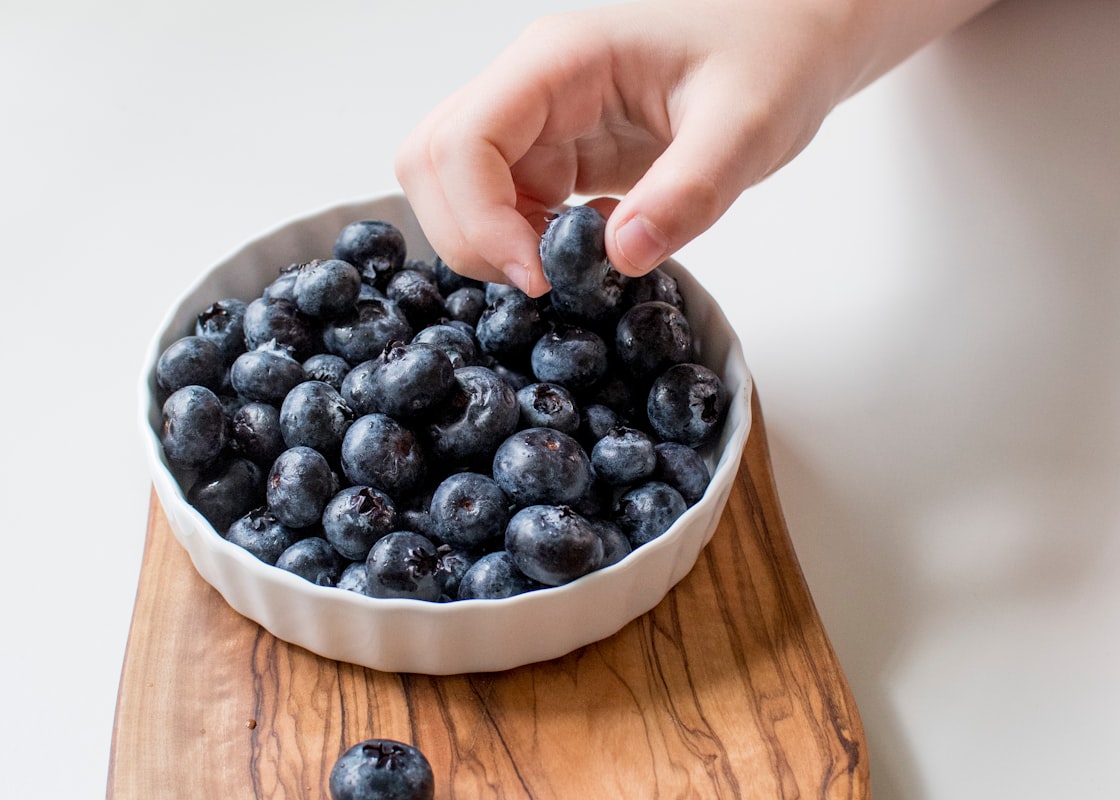
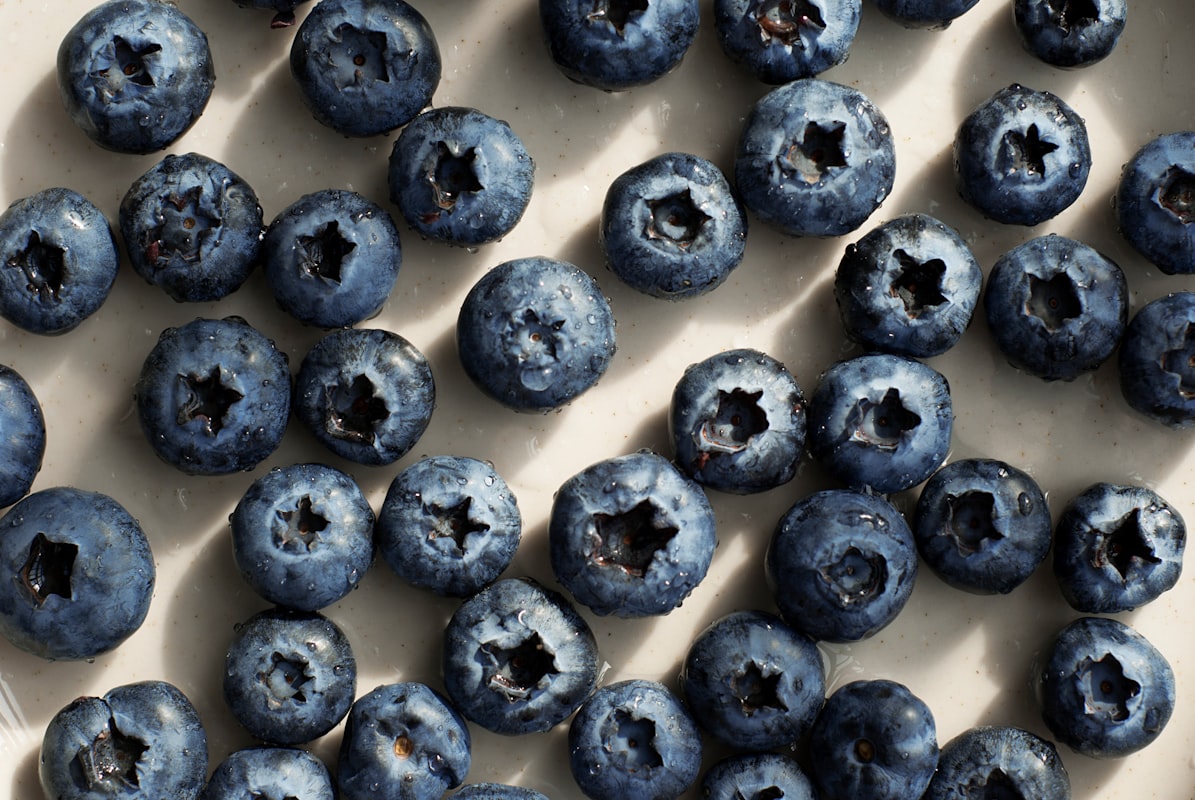
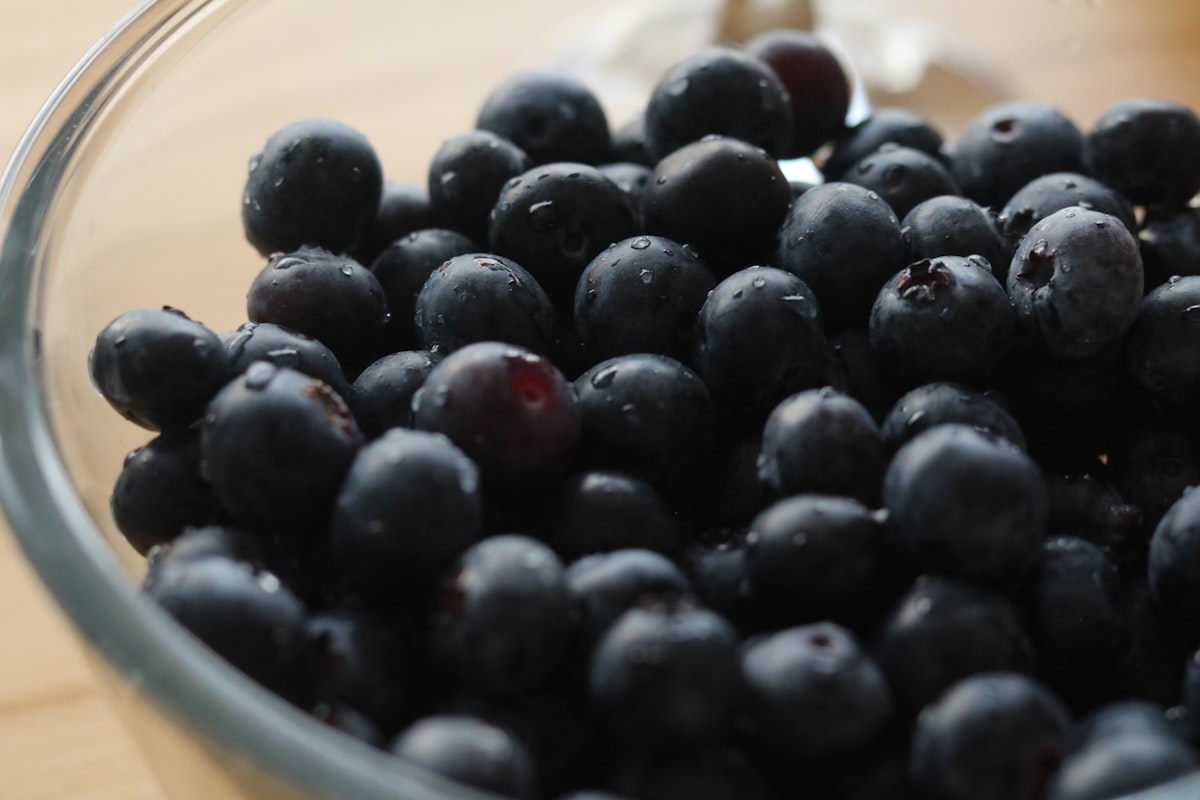
Berries
Blueberries, blackberries, and goji berries contain anthocyanins and antioxidants that enhance night vision and reduce eye fatigue from screen time.
Nuts & Seeds
Almonds, walnuts, and sunflower seeds deliver vitamin E and selenium, powerful antioxidants that slow age-related vision decline and support mental focus.
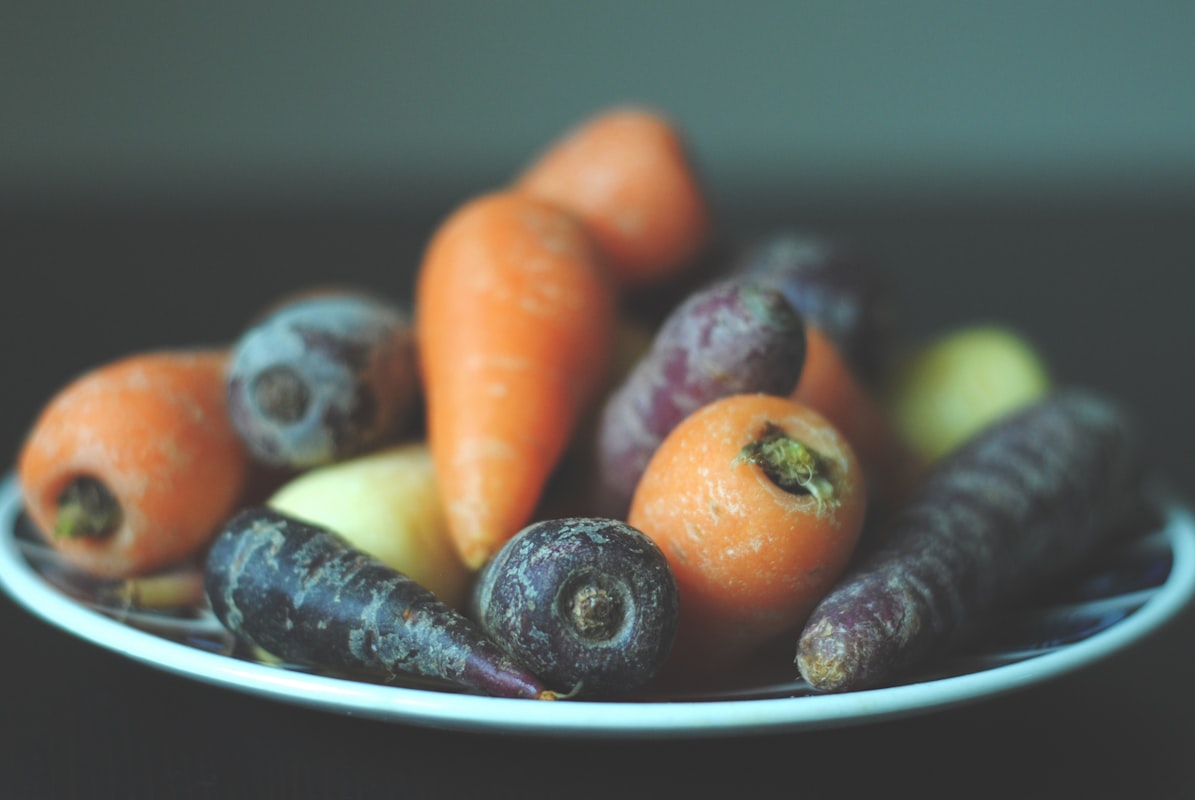
Orange Vegetables
Carrots, sweet potatoes, and pumpkin are loaded with beta-carotene, which your body converts to vitamin A—essential for clear vision in low light conditions.
Eggs
Rich in choline, lutein, and zeaxanthin, eggs support both eye health and brain function, improving your ability to concentrate on detailed tasks.
Why Nutrition Matters for Vision and Focus

The Vision-Nutrition Connection
Your eyes are among the most metabolically active organs in your body. Every day, they process millions of photons and require a constant supply of nutrients to function optimally. The retina, responsible for capturing light and sending signals to your brain, depends heavily on antioxidants and omega-3 fatty acids to maintain its delicate structure and prevent age-related degeneration.
Mental Clarity and Brain Health
The same nutrients that protect your eyes also fuel your brain. Foods rich in omega-3 fatty acids, B vitamins, and antioxidants enhance blood flow to the brain, support neurotransmitter production, and strengthen the connections between brain cells. This translates to sharper focus, better memory, and improved ability to concentrate during demanding tasks.
Prevention Through Diet
Modern life presents constant challenges to our eyes and minds—screen time, environmental stress, and poor nutrition accelerate decline. Research shows that people who consume nutrient-dense foods experience significantly better long-term vision outcomes and cognitive performance compared to those with deficient diets.
Key Nutrients for Better Focus and Vision
Understand the essential micronutrients that enhance both eye health and cognitive function.
Lutein & Zeaxanthin
These carotenoids accumulate in the macula and act as natural sunglasses, filtering harmful blue light and preventing degeneration. Found abundantly in leafy greens and egg yolks.
Omega-3 Fatty Acids
Critical for retinal development and fluidity of cell membranes in the brain. Supports communication between neurons and enhances visual processing speed and focus capacity.
Antioxidants
Vitamins C and E, along with polyphenols, neutralize free radicals that damage retinal cells and brain tissue. Protect against premature aging of the visual system.
Vitamin A
Essential for producing rhodopsin, the pigment that allows your eyes to see in low light. Maintains the health of the cornea and night vision capabilities.
B Vitamins
B6, B12, and folate reduce homocysteine levels, which protects blood vessels supplying the eye and brain. Essential for energy production and neural signaling.
Minerals
Zinc, copper, and selenium are co-factors for antioxidant enzymes and are concentrated in the retina. Support the immune function of the eye and brain.
How to Build Your Eye-Healthy Diet
Simple, practical steps to integrate vision-supporting foods into your daily meals.
Start with Breakfast
Begin your day with eggs—rich in choline and lutein—paired with fresh berries. Even one serving of nutrient-dense breakfast significantly improves focus and energy levels throughout the morning. Add a glass of fresh orange juice to boost vitamin C intake.
Make Leafy Greens Non-Negotiable
Include a serving of leafy greens at lunch or dinner daily. Spinach salads, kale chips, or sautéed collard greens provide lutein and zeaxanthin in concentrated amounts. Pair with olive oil to enhance absorption of these fat-soluble nutrients.
Incorporate Fatty Fish Twice Weekly
Salmon, mackerel, or sardines at least two times per week provide the omega-3 fatty acids your retina and brain desperately need. These fatty acids support cell membrane fluidity and improve neurotransmitter function, enhancing both vision and concentration.
Snack Smart with Nuts and Seeds
Replace processed snacks with a handful of almonds, walnuts, or sunflower seeds. These provide vitamin E and selenium in easily portable form. Keep them at your desk or bag for convenient nutrition during work or study sessions.
What Our Readers Say
Real experiences from people who transformed their vision and focus through dietary changes.
I started following the eye-healthy diet recommendations from this site three months ago, and my vision has noticeably improved. My eye strain from computer work has decreased significantly, and I can focus for longer periods without fatigue. The information here is science-based and practical—not just another fad diet.
Deni Suwardana
Bandung, Indonesia
As someone who works at a computer all day, focus and mental clarity are essential for my productivity. After implementing the nutrient recommendations—especially the emphasis on fatty fish and berries—I noticed my afternoon brain fog disappeared. My ability to concentrate improved dramatically, and I'm sleeping better too.
Rini Kusumawati
Jakarta, Indonesia
I shared this guide with my family and we've all adopted these eating habits. My children's school performance has improved, and my parents report better night vision and sharper memory. This content is thorough, trustworthy, and the recipes are delicious. Highly recommend for anyone serious about protecting their long-term vision health.
Bambang Wijaya
Surabaya, Indonesia
Frequently Asked Questions
Find answers to common questions about nutrition for vision and focus.
How long does it take to see improvements in vision?
Most people report initial improvements in eye comfort and focus within 2-4 weeks of dietary changes. However, deeper improvements in vision quality and prevention of age-related degeneration develop over months and years of consistent nutrient intake. The key is treating this as a long-term lifestyle change, not a quick fix.
Can these foods help with existing vision problems?
This content provides informational guidance on nutrition for general eye health and focus. It is not intended to address specific eye conditions. For concerns about existing vision problems, please consult with an eye care professional. Our goal is to help people understand how nutrition supports healthy vision and cognitive function.
What if I don't like fish? Are there alternatives?
Excellent alternatives include walnuts, flaxseeds, chia seeds, and algae-based supplements that contain omega-3 fatty acids. While plant-based sources contain ALA (which your body converts to EPA and DHA), fatty fish remains the richest direct source. You can also alternate fish with these plant options to meet your omega-3 needs.
Do I need supplements or is food enough?
A well-planned diet with the foods mentioned in our guide provides most of the nutrients your eyes and brain need. However, some people may benefit from supplements based on their individual diet and lifestyle. Always consult with a healthcare professional before starting any supplementation regimen to ensure it's appropriate for your circumstances.
Can children benefit from this diet?
Absolutely. The nutrients discussed support eye development in children and enhance their ability to focus in school. Introducing these foods early establishes healthy eating patterns that benefit vision and brain health throughout life. Parents may need to adapt presentations (smoothies instead of whole berries, for example) to suit children's preferences.
Is there scientific evidence backing these recommendations?
Yes, the foods and nutrients mentioned are supported by numerous peer-reviewed scientific studies. Research from institutions like NIH and major ophthalmology journals documents the roles of lutein, zeaxanthin, omega-3 fatty acids, and antioxidants in eye health. Our content is grounded in current scientific understanding, though we recommend consulting academic sources for detailed research citations.
Start Your Vision and Focus Journey Today
Explore our comprehensive guide to eye-healthy foods and discover practical ways to integrate vision-supporting nutrition into your daily life. Your eyes and mind will thank you.
Subscribe to receive our latest articles about nutrition for vision and cognitive health.
Frequently Asked Questions
Everything you need to know about Xolvex
Ready to Transform Your Business?
Join thousands of companies already experiencing the Xolvex difference. Start your free trial today—no credit card required.